Quotessence
Home / Quotes / Quote by Ivan Turgenev

Quote by Ivan Turgenev

Work

Home of the Gentry

Browse quotes and source details for this work. more
Author

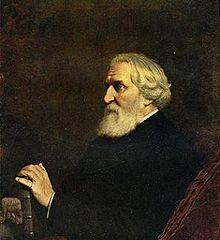
Ivan Turgenev
Ivan Turgenev

A renowned Russian novelist, born on November 9, 1818, and died on September 3, 1883. His works deeply depicted the changes in Russian society, particularly focusing on the lives of peasants and nobility. His representative works include 'Notes of a Hunter' and 'Fathers and Sons'. more

You May Also Like

“Interest in temperament as an individual difference dimension of importance in one's behavior leads to reanalysis of both theoretical and methodological considerations relating to the construct.”

“Traumatic events destroy the sustaining bonds between individual and community. Those who have survived learn that their sense of self, of worth, of humanity, depends upon a feeling of connection with others. The solidarity of a group provides the strongest protection against terror and despair, and the strongest antidote to traumatic experience. Trauma isolates; the group re-creates a sense of belonging. Trauma shames and stigmatizes; the group bears witness and affirms. Trauma degrades the victim; the group exalts her. Trauma dehumanizes the victim; the group restores her humanity. Repeatedly in the testimony of survivors there comes a moment when a sense of connection is restored by another person’s unaffected display of generosity. Something in herself that the victim believes to be irretrievably destroyed---faith, decency, courage---is reawakened by an example of common altruism. Mirrored in the actions of others, the survivor recognizes and reclaims a lost part of herself. At that moment, the survivor begins to rejoin the human commonality...”

“We wait too long to tell the people we love that they are the very reason that we exist. We assume that our wife, child, other family members, and friends understand our love and affection. We assume that people we care about understand our enigmatic idiosyncrasies and willingly accept the shrouded reasons behind our demonstrable oddities. We assume that other people sense that we struggle valiantly in our blackened landscape. We presume that other people comprehend our struggle to glean meaning amongst the ashes spewed from the absurd circumstances that we operate. Sometimes we need to stop and tell the tenderhearted persons whom we care about that we love them and explain that our awkward strangeness is not a rejection of them.”