Quotessence
Home / Quotes / Quote by Alphonsus Liguori

Quote by Alphonsus Liguori

“"The flowers have appeared in our land: the time of pruning is come: the voice of the turtle-dove is heard in our land." When the soul, like the solitary turtle-dove, retires and recollects itself in meditation to converse with God, then the flowers, that is, good desires, appear; then comes the time of pruning, that is, the correction of faults that are discovered in mental prayer.”

Quote by Alphonsus Liguori

Author
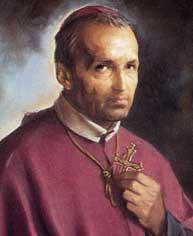
Alphonsus Liguori
Alphonsus Liguori

Alphonsus Liguori, born on September 27, 1696, in Naples, Italy, and died on August 1, 1787. He was a prominent Italian writer, theologian, composer, and Catholic saint. Liguori is known for his moral theology and religious writings, which have had a profound impact on posterity. more

You May Also Like

“Ever since Blessed Alan de la Roche re-established this devotion the voice of the people, which is the voice of God, called it the Rosary. The word Rosary means "Crown of Roses" that is to say that every time people say the Rosary devoutly they place a crown of one hundred and fifty-three red roses and sixteen white roses upon the heads of Jesus and Mary. Being heavenly flowers these roses will never fade or lose their exquisite beauty.”

“Let everything in creation draw you to God. Refresh your mind with some innocent recreation and needful rest, if it were only to saunter through the garden or the fields, listening to the sermon preached by the flowers, the trees, the meadows, the sun, the sky, and the whole universe. You will find that they exhort you to love and praise God; that they excite you to extol the greatness of the Sovereign Architect Who has given them their being.”

“The harsh, useful things of the world, from pulling teeth to digging potatoes, are best done by men who are as starkly sober as so many convicts in the death-house, but the lovely and useless things, the charming and exhilarating things, are best done by men with, as the phrase is, a few sheets in the wind.”