Source: Essays: Moral, Political and Literary
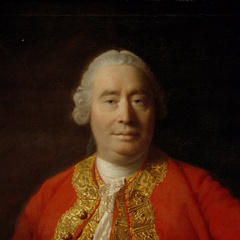
Filter quotes by topic
Famous David Hume Quotes
Source: ESSAYS AND TREATISES ON SEVERAL SUBJECTS.
Source: A Treatise of Human Nature: Top Philosophy Collections
Source: Essays and Treatises on several subjects, etc. New edition
Source: An Enquiry Concerning Human Understanding
Source: Essays and treatises on several subjects: essays, moral, political and literary
Source: Life and Correspondence of David Hume
Source: Philosophical works
“In all ages of the world, priests have been enemies of liberty.”
“Nothing exists without a cause, the original cause of this universe we call God.”
“There is no such thing as freedom of choice unless there is freedom to refuse.”
“That the sun shines tomorrow is a judgement that is as true as the contrary judgement.”
“When I hear that a man is religious, I conclude he is a rascal!”
Source: The philosophical works of David Hume
Source: The Natural History of Religion: Revision of Great Book
Source: An Enquiry Concerning Human Understanding ; [with] A Letter from a Gentleman to His Friend in Edinburgh ; [and] An Abstract of a Treatise of Human Nature
Source: Delphi Complete Works of David Hume (Illustrated)
Source: An Enquiry Concerning Human Understanding
Source: An Enquiry Concerning Human Understanding: Revision of Great Book
Source: An inquiry concerning human understanding. A dissertation on the passions. An inquiry concerning the principles of morals. The natural history of religion
“Reason is, and ought only to be the slave of the passions.”
“Reading and sauntering and lounging and dosing, which I call thinking, is my supreme Happiness.”
Source: Letters of David Hume to William Strahan
Source: An Enquiry Concerning Human Understanding: Revision of Great Book
Source: A Treatise of Human Nature
“No man ever threw away life while it was worth keeping.”
Source: Essays: Moral, Political and Literary
“A little philosophy makes a man an Atheist: a great deal converts him to religion”
Source: Dialogues and Natural History of Religion
Source: Of the Standard of Taste
Source: Delphi Complete Works of David Hume (Illustrated)
Source: An inquiry concerning human understanding. A dissertation on the passions. An inquiry concerning the principles of morals. The natural history of religion
Source: An inquiry concerning human understanding. A dissertation on the passions. An. inquiry concerning the principles of morals. The natural history of religion
Source: The Philosophical Works: Including All the Essays, and Exhibiting the More Important Alterations and Corrections in the Successive Ed. Publ. by the Author
Source: Delphi Complete Works of David Hume (Illustrated)
Source: Dialogues Concerning Natural Religion
Source: Delphi Complete Works of David Hume (Illustrated)
Source: Delphi Complete Works of David Hume (Illustrated)
Source: Delphi Complete Works of David Hume (Illustrated)
“History is the discovering of the principles of human nature.”
Source: An inquiry concerning human understanding. A dissertation on the passions. An inquiry concerning the principles of morals. The natural history of religion
“Art may make a suite of clothes, but nature must produce a man.”
Source: Sister Peg: A Pamphlet Hitherto Unknown by David Hume
Source: The Natural History of Religion
Source: The Natural History of Religion: Revision of Great Book