“The devil tempts us not--'tis we tempt him, Reckoning his skill with opportunity.”
Filter quotes by topic
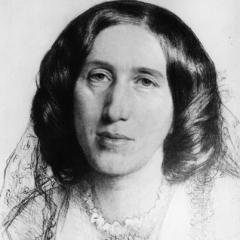
Famous George Eliot Quotes
“In high vengeance there is noble scorn.”
Source: The Spanish gypsy
“But certain winds will make men's temper bad.”
Source: Theophrastus Such, Jubal and other poems and The Spanish gypsy
Source: Felix Holt, The Radical
Source: Middlemarch: A Study of Provincial Life
“The first condition of human goodness is something to love; the second, something to reverence.”
Source: Four Novels of George Eliot
“It is impossible, to me at least, to be poetical in cold weather.”
Source: George Eliot's Life, Complete: Top Novelist Focus
“Genius is the capacity for receiving and improving by discipline.”
Source: The Mill on the Floss
“When a workman knows the use of his tools, he can make a door as well as a window.”
Source: The Mill on the Floss
“If you could make a pudding wi' thinking o' the batter, it 'ud be easy getting dinner.”
Source: Adam Bede
“Boots and shoes are the greatest trouble of my life.”
Source: Silas Marner, and Scenes of Clerical Life
“Our deeds are fetters that we forge ourselves.”
Source: Middlemarch: A Study of Provincial Life. Book 1, Miss Brooke. 1[,1]
Source: Middlemarch: A Study of Provincial Life
Source: Delphi Complete Works of George Eliot (Illustrated)
Source: Theophrastus Such, Jubal and other poems and The Spanish gypsy
“How oft review; each finding, like a friend, Something to blame, and something to commend.”
Source: Complete Works Of George Eliot
“It is strange how deeply colours seem to penetrate one, like scent.”
Source: Middlemarch
Source: Scenes of Clerical Life
Source: Felix Holt: The Radical
Source: Silas Marner, and Scenes of Clerical Life
“To men who only aim at escaping felony, nothing short of the prisoner's dock is disgrace.”
Source: Wise, Witty, and Tender Sayings in Prose and Verse: Selected from the Works of George Eliot
Source: Complete Works Of George Eliot
Source: Middlemarch: (Penguin Classics Deluxe Edition)
Source: The Mill on the Floss
Source: Daniel Deronda: Easyread Edition
“That sort of reputation which precedes performance [is] often the larger part of a man's fame.”
Source: Middlemarch: Easyread Large Bold Edition
“Whatever be thy fate today, Remember, this will pass away!”
Source: Delphi Complete Works of George Eliot (Illustrated)
Source: Middlemarch
Source: Four Novels of George Eliot
“When gratitude has become a matter of reasoning there are many ways of escaping from its bonds.”
Source: Middlemarch: (Penguin Classics Deluxe Edition)
Source: Felix Holt: The Radical
Source: Four Novels of George Eliot
Source: Romola
Source: Delphi Complete Works of George Eliot (Illustrated)
Source: Delphi Complete Works of George Eliot (Illustrated)
Source: Adam Bede
“You must learn to deal with the odd and even in life, as well as in figures.”
Source: George Eliot Collection: Middlemarch, Adam Bede, Silas Marner, The Lifted Veil, and The Mill on the Floss
Source: Wise, Witty, and Tender Sayings in Prose and Verse: Selected from the Works of George Eliot
Source: Daniel Deronda
Source: Romola: Top Novelist Focus
Source: Felix Holt, The Radical