Source: Principle Centered Leadership
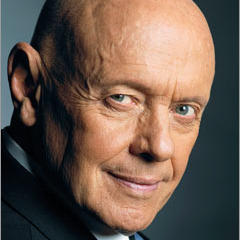
Filter quotes by topic
Famous Stephen Covey Quotes
Source: Daily Reflections for Highly Effective People: Living THE SEVEN HABITS OF HIGHLY SUCCESSFUL PEOPLE Every Day
Source: First Things First
Source: The Speed of Trust: The One Thing that Changes Everything
“Be a light, not a judge. Be a model, not a critic”
Source: The 7 Habits of Highly Effective People: Powerful Lessons in Personal Change Interactive Edition
Source: The 7 Habits of Highly Effective People: Powerful Lessons in Personal Change
Source: First Things First Every Day: Daily Reflections- Because Where You're Headed Is More Important Than How Fast You Get There
Source: Daily Reflections for Highly Effective People: Living THE SEVEN HABITS OF HIGHLY SUCCESSFUL PEOPLE Every Day
“It's easy to say ''no!'' when there's a deeper ''yes!'' burning inside.”
Source: First Things First Every Day: Daily Reflections- Because Where You're Headed Is More Important Than How Fast You Get There
Source: Daily Reflections for Highly Effective People: Living THE SEVEN HABITS OF HIGHLY SUCCESSFUL PEOPLE Every Day
Source: Daily Reflections for Highly Effective People: Living THE SEVEN HABITS OF HIGHLY SUCCESSFUL PEOPLE Every Day
Source: Daily Reflections for Highly Effective People: Living THE SEVEN HABITS OF HIGHLY SUCCESSFUL PEOPLE Every Day
“Our character is basically a composite of our habits.”
Source: The 7 Habits of Highly Effective People: Powerful Lessons in Personal Change Interactive Edition
Source: Daily Reflections for Highly Effective People: Living THE SEVEN HABITS OF HIGHLY SUCCESSFUL PEOPLE Every Day
“A moment of choice is a moment of truth. It's the testing point of our character and competence.”
Source: First Things First
Source: The 8th Habit: From Effectiveness to Greatness
Source: The 7 Habits of Highly Effective People: Powerful Lessons in Personal Change Interactive Edition
“In the last analysis, what we are communicates far more eloquently than anything we say or do.”
Source: The 7 Habits of Highly Effective People: Powerful Lessons in Personal Change Interactive Edition
“We develop our character muscles by overcoming challenges and obstacles.”
Source: First Things First Every Day: Daily Reflections- Because Where You're Headed Is More Important Than How Fast You Get There
Source: Daily Reflections for Highly Effective People: Living THE SEVEN HABITS OF HIGHLY SUCCESSFUL PEOPLE Every Day
Source: The 7 Habits of Highly Effective People: Powerful Lessons in Personal Change Interactive Edition
“True independence of character empowers us to act rather than be acted upon.”
Source: The 7 Habits of Highly Effective People: Powerful Lessons in Personal Change Interactive Edition
Source: Daily Reflections for Highly Effective People: Living THE SEVEN HABITS OF HIGHLY SUCCESSFUL PEOPLE Every Day
Source: Daily Reflections for Highly Effective People: Living THE SEVEN HABITS OF HIGHLY SUCCESSFUL PEOPLE Every Day