Quotessence
Home / Authors / Yevgeny Zamyatin Books
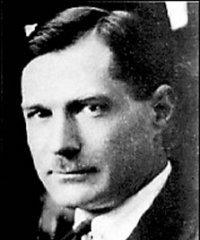
Yevgeny Zamyatin

Yevgeny Zamyatin Books

Author

We

A source page for quotes linked to Yevgeny Zamyatin.
0 quotes

We: New Edition

A source page for quotes linked to Yevgeny Zamyatin.

0 quotes

Related Quotes

“Tipsy, they tumbled early into bed - to get as much sleep as they could. So they would feel less hunger. The summer catch had been poor; there wasn't much food. They ate with care and looked sideways at the old: the old were gluttons, everybody knew it, and what was the good of feeding them? It wouldn't harm them to starve a little. The hungry dogs howled. The women rinsed the children's bellies with hot water three times a day, so they wouldn't cry so much for food. The old starved silently. ("The North")”

“He knew Timosha's views: tangling with skirts in serious business was like mixing jam with beet soup. "Letting a woman visit you is one thing. But let her into your soul? Oh, no!" Timosha wagged his dry little finger in warning. "Once you let her in, you're done for. A woman, brother--she sends down roots like a weed. Before you know it, you'll be overgrown with weeds all over.”

“Life itself has lost its plane reality: it is projected, not along the old fixed points, but along the dynamic coordinates of Einstein, of revolution. In this new projection, the best-known formulas and objects become displaced, fantastic, familiar-unfamiliar. This is why it is so logical for literature today to be drawn to the fantastic plot, or to the amalgam of reality and fantasy. ("The New Russian Prose")”

“Why is the dance beautiful? Answer: because it is an unfree movement. Because the deep meaning of the dance is contained in its absolute, ecstatic submission, in the ideal non-freedom. If it is true that our ancestors would abandon themselves in dancing at the most inspired moments of their lives (religious mysteries, military parades), then it means only one thing: the instinct of non-freedom has been characteristic of human nature from ancient times, and we in our life of today, we are only consciously—”

“It is common knowledge that a well-bred man should as far as possible have no face. That is to say, not so much be completely without one, but rather, should have a face and yet at the same time appear faceless. It should not stand out, just as a shirt made by a good tailor does not stand out. Needless to say, the face of a well-bred man should be exactly like that of other (well-bred) men and of course in no circumstances whatsoever should it alter. Naturally houses, trees, streets, sky and everything else in the world must satisfy the same conditions to have honor of being known as respectable and well-bred.”

“Darkness. The door into the neighboring room is not quite shut. A strip of light stretches through the crack in the door across the ceiling. People are walking about by lamplight. Something has happened. The strip moves faster and faster and the dark walls move further and further apart, into infinity. This room is London and there are thousands of doors. The lamps dart about and the strips dart across the ceiling. And perhaps it is all delirium... Something had happened. The black sky above London burst into fragments: white triangles, squares and lines - the silent geometric delirium of searchlights. The blinded elephant buses rushed somewhere headlong with their lights extinguished. The distinct patter along the asphalt of belated couples, like a feverish pulse, died away. Everywhere doors slammed and lights were put out. And the city lay deserted, hollow, geometric, swept clean by a sudden plague: silent domes, pyramids, circles, arches, towers, battlements.”

“من فقط یکی چیز می‌خواهم و آن چیز «او»ست. می‌خواهم که او هر لحظه، هر دقیقه کنارم باشد، فقط با من. تمام چیزهایی که همین حالا درباره‌ی وحدت نوشتم همه‌اش بی‌ربط است، چیزی نیست که باید باشد، دلم می‌خواهد تمامش را خط بزنم، پاره کنم و دور بریزم. چون می‌دانم (شاید کفر باشد، اما واقعیت است): جشن فقط با او جشن می‌شود، فقط زمانی که او کنارم و شانه‌به‌شانه‌ام باشد. بدون او، خورشید فردا چیزی نیست جز دایره‌ای حلبی و آسمان، حلبی‌ای که رنگ آبی به آن زده باشند و خودم هم، چیزی نیستم جز تکه‌ای حلبی!”

“With his head thrust forward like a ram, Baryba pushed his way through to the front. For some reason this was necessary, he felt with all his guts that it was necessary. He clenched his iron jaws. Something bestial stirred in him, something he hungered for, some murderous instinct. To be with everybody, to howl like everybody, to hit the one that everybody else was hitting. ("A Provincial Tale")”

“But clouds bellied out in the sultry heat, the sky cracked open with a crimson gash, spewed flame-and the ancient forest began to smoke. By morning there was a mass of booming, fiery tongues, a hissing, crashing, howling all around, half the sky black with smoke, and the bloodied sun just barely visible. And what can little men do with their spades, ditches, and pails? The forest is no more, it was devoured by fire: stumps and ash. Perhaps illimitable fields will be plowed here one day, perhaps some new, unheard-of wheat will ripen here and men from Arkansas with shaven faces will weigh in their palms the heavy golden grain. Or perhaps a city will grow up-alive with ringing sound and motion, all stone and crystal and iron-and winged men will come here flying over seas and mountains from all ends of the world. But never again the forest, never again the blue winter silence and the golden silence of summer. And only the tellers of tales will speak in many-colored patterned words about what had been, about wolves and bears and stately green-coated century-old grandfathers, about old Russia; they will speak about all this to us who have seen it with our own eyes ten years - a hundred years! - ago, and to those others, the winged ones, who will come in a hundred years to listen and to marvel at it all as at a fairy tale. ("In Old Russia")”

“The wind blew through the window. The trousers swayed. Doubtless when they were on Mr. Craggs, the trousers looked splendid and went perfectly well together with his body. But like this, isolated in space, Mr. Cragg's trousers were nightmarish. The wind blew through the window. As they swayed, the trousers were alive. A shot, truncated, square creature consisting entirely of legs, belly and what went with them. And now it would get down and start walking among people and over people and grow and...”

“So, take the idea of "rights" and drip some acid on it. Even the most adult of the Ancients knew: the source of a right is power, a right is a function of power. Take two trays of a weighing scale: put a gram on one, and on the other, put a ton. On one side is the "I", on the other is the "WE", the One State. Isn't it clear? Assuming that "I" has the same "rights" compared to the State is exactly the same thing as assuming that a gram can counterbalance a ton. Here is the distribution: a ton has rights, a gram has duties. And this is the natural path from insignificance to greatness: forget that you are a gram, and feel as though you are a millionth part of the ton...”

“وجود خودم را حس می‌کنم. اما تنها بعضی چیزها وجود خودشان را حس می‌کنند و از فردیتشان آگاهند؛ چشمی که خاری در آن رفته، انگشت ملتهب و دندان چرک کرده! چشم، انگشت و دندان سالم حس نمی‌شوند، انگار که وجود ندارند. آیا خودآگاهی به وضوح چیزی جز نوعی بیماری نیست؟”