Quotessence
Home / Authors / Marshall B. Rosenberg
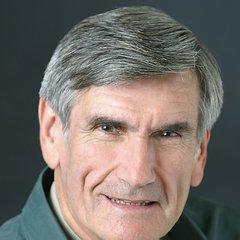
Marshall B. Rosenberg

Marshall B. Rosenberg Quotes

Psychologist

Filter quotes by topic

Famous Marshall B. Rosenberg Quotes

“Peace requires something far more difficult than revenge or merely turning the other cheek; it requires empathizing with the fears and unmet needs that provide the impetus for people to attack each other. Being aware of these feelings and needs, people lose their desire to attack back because they can see the human ignorance leading to these attacks; instead, their goal becomes providing the empathic connection and education that will enable them to transcend their violence and engage in cooperative relationships.”

“I recommend allowing others the opportunity to fully express themselves before turning our attention to solutions or requests for relief. When we proceed too quickly to what people might be requesting, we may not convey our genuine interest in their feelings and needs; instead, they may get the impression that we're in a hurry to either be free of them or to fix their problem. Furthermore, an initial message is often like the tip of an iceberg; it may be followed by yet unexpressed, but related - and often more powerful - feelings.”

“Empathy is a respectful understanding of what others are experiencing. Instead of offering empathy, we often have a strong urge to give advice or reassurance and to explain our own position or feeling. Empathy, however, calls upon us to empty our mind and listen to others with our whole being.”

“In nonviolent communication, no matter what words others may use to express themselves, we simply listen for their observations, feelings, needs, and requests. Then we may wish to reflect back, paraphrasing what we have understood. We stay with empathy, allowing others the opportunity to fully express themselves before we turn our attention to solutions or requests for relief.”

“To do this, you can bring in nothing from the past. So the more psychology you've studied, the harder it will be to empathize. The more you know the person, the harder it will be to empathize. Diagnoses and past experiences can instantly knock you off the board. This doesn't mean denying the past. Past experiences can stimulate what's alive in this moment. But are you present to what was alive then or what the person is feeling and needing in this moment?”