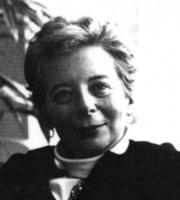
“We find that the child who does not yet have language at his command, the child under two and a half, will be able to cooperate with our education if we go easy on the "blocking" techniques, the outright prohibitions, the "no's" and go heavy on "substitution" techniques, that is, the redirection or certain impulses and the offering of substitute satisfactions.” IfsChildrenDoeTwoAbleCertainLanguageEasyHalfDisciplineSatisfactionHeavyTechniqueCommandBlockImpulseSubstitutesOfferingProhibitionSubstitutionRedirection Author:Selma Fraiberg
“We have good reason to believe that memories of early childhood do not persist in consciousness because of the absence or fragmentary character of language covering this period. Words serve as fixatives for mental images. . . . Even at the end of the second year of life when word tags exist for a number of objects in the child's life, these words are discrete and do not yet bind together the parts of an experience or organize them in a way that can produce a coherent memory.” WayYearsBelieveChildrenEndsReasonCharacterTogetherLanguageMemoriesNumbersConsciousnessChildhoodObjectsProducePeriodsAbsencePersistOrganizeCoveringTagEarly ChildhoodYears Of LifeDiscrete Book:The Magic Years: Understanding and Handling the Problems of Early Childhood Source: The Magic Years: Understanding and Handling the Problems of Early Childhood
“Language makes it possible for a child to incorporate his parents' verbal prohibitions, to make them part of himself....We don't speak of a conscience yet in the child who is just acquiring language, but we can see very clearly how language plays an indispensable role in the formation of conscience. In fact, the moral achievement of man, the whole complex of factors that go into the organization of conscience is very largely based upon language.” MenChildrenPlayWholeFactsSpeakLanguageParentMoralRolesAchievementConscienceOrganizationComplexesFactorsIndispensableFormationProhibition Author:Selma Fraiberg