“While in principle groups for survivors are a good idea, in practice it soon becomes apparent that to organize a successful group is no simple matter. Groups that start out with hope and promise can dissolve acrimoniously, causing pain and disappointment to all involved. The destructive potential of groups is equal to their therapeutic promise. The role of the group leader carries with it a risk of the irresponsible exercise of authority. Conflicts that erupt among group members can all too easily re-create the dynamics of the traumatic event, with group members assuming the roles of perpetrator, accomplice, bystander, victim, and rescuer. Such conflicts can be hurtful to individual participants and can lead to the group’s demise. In order to be successful, a group must have a clear and focused understanding of its therapeutic task and a structure that protects all participants adequately against the dangers of traumatic reenactment. Though groups may vary widely in composition and structure, these basic conditions must be fulfilled without exception. Commonality with other people carries with it all the meanings of the word common. It means belonging to a society, having a public role, being part of that which is universal. It means having a feeling of familiarity, of being known, of communion. It means taking part in the customary, the commonplace, the ordinary, and the everyday. It also carries with it a feeling of smallness, or insignificance, a sense that one’s own troubles are ‘as a drop of rain in the sea.’ The survivor who has achieved commonality with others can rest from her labors. Her recovery is accomplished; all that remains before her is her life.”
Quote by Judith Lewis Herman
Work
Trauma and Recovery: The Aftermath of Violence - From Domestic Abuse to Political Terror
Browse quotes and source details for this work. more
Author
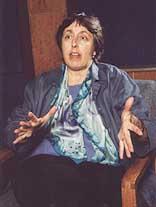
Judith Lewis Herman
Judith Lewis Herman is an American author renowned for her work in the field of psychological trauma. Her writings delve deeply into the impact of post-traumatic stress disorder (PTSD) and the effects of traumatic experiences on individuals and society. more
You May Also Like
Source: The Highly Sensitive Person: How to Thrive When the World Overwhelms You
Source: The Fight of My Life is Wrapped Up in My Father
“It's unwise to be a backseat driver, passenger or bystander in your own life.”
Source: Thank You for Arguing: What Aristotle, Lincoln, and Homer Simpson Can Teach Us About the Art of Persuasion
Source: Solitaire
Source: Born a Crime: Stories from a South African Childhood
Source: Matched
Source: Liberty, Equality, Fraternity
Source: The Fasting Girl: A True Victorian Medical Mystery
Source: The Fasting Girl: A True Victorian Medical Mystery