Quotessence
Home / Authors / Khaled Hosseini
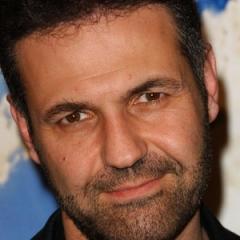
Khaled Hosseini

Khaled Hosseini Quotes

Novelist

Filter quotes by topic

Famous Khaled Hosseini Quotes

“In early 1999, I was watching TV, when I came across a story on Afghanistan. It was a story about the Taliban and the restrictions they were imposing on the Afghan people, most notably women. At some point in the story, there was a casual reference to them having banned the game of kite fighting. This detail struck a personal chord with me, as I had grown up in Kabul flying kite with my friends.”

“I found myself sitting at the computer, and I thought I was going to write a kind of simple nostalgic story about two boys and their love of kite fighting. But stories have a will of their own, and this one turned out to be this dark tale about betrayal, loss, regret. The short story which was about 25 pages long sat around for a couple of years.”

“The bulk of our efforts [in The Khaled Hosseini Foundation] has focused on helping build permanent shelters for returning refugees who are homeless, living out in the open or in makeshift homes. This is an area of urgent need as Afghanistan's natural elements are quite harsh, with very hot summers, and freezing winters.”

“My family left Afghanistan in 1976, well before the Communist coup and the Soviet invasion. We certainly thought we would be going back. But when we saw those Soviet tanks rolling into Afghanistan, the prospect for return looked very dim. Few of us, I have to say, envisioned that nearly a quarter century of bloodletting would follow.”

“I came from an educated, upper middle-class family. My mother was a Persian and history teacher at a large high school for girls. Many of the women in my extended family and in our circle of friends were professionals. In those days, women were a vital part of the economy in Kabul. They worked as lawyers, physicians, college professors, etc., which makes the tragedy of how they were treated by the Taliban that much more painful.”

“I returned to Kabul after a 27-year absence. I came away with some optimism but not as much as I had hoped for. The two major issues in Afghanistan are a lack of security outside Kabul (particularly in the south and east) and the powerful warlords ruling over the provinces with little or no allegiance to the central government. The other rapidly rising concern is the narcotic trade which, if not dealt with, may turn Afghanistan into another Bolivia or Colombia.”

“I would give them (aspiring writers) the oldest advice in the craft: Read and write. Read a lot. Read new authors and established ones, read people whose work is in the same vein as yours and those whose genre is totally different. You've heard of chain-smokers. Writers, especially beginners, need to be chain-readers. And lastly, write every day. Write about things that get under your skin and keep you up at night.”

“That same night, I wrote my first short story. It took me thirty minutes. It was a dark little tale about a man who found a magic cup and learned that if he wept into the cup, his tears turned into pearls. But even though he had always been poor, he was a happy man and rarely shed a tear. So he found ways to make himself sad so that his tears could make him rich. As the pearls piled up, so did his greed grow. The story ended with the man sitting on a mountain of pearls, knife in hand, weeping helplessly into the cup with his beloved wife's slain body in his arms.”

“We stayed huddled that way until the early hours of the morning. The shootings and explosions had lasted less than an hour, but they had frightened us badly, because none of us had ever heard gunshots in the streets. They were foreign sounds to us then. The generation of Afghan children whose ears would know nothing but the sounds of bombs and gunfire was not yet born.”