Source: The Return of Simple
Filter quotes by topic
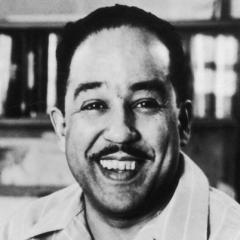
Famous Langston Hughes Quotes
Source: Good Morning, Revolution: Uncollected Social Protest Writings
Source: The Best of Simple
Source: Good Morning, Revolution: Uncollected Social Protest Writings
Source: The Return of Simple
Source: The Return of Simple
“What right has anyone to say That I Must throw out pieces of my heart For pay?”
Source: The Collected Poems
Source: The Collected Poems
Source: Good Morning, Revolution: Uncollected Social Protest Writings
Source: Good Morning, Revolution: Uncollected Social Protest Writings
“Democracy will not come Today, this year Nor ever Through compromise and fear.”
Source: The Collected Works of Langston Hughes: The poems, 1941-1950
Source: The Collected Works of Langston Hughes: Works for children and young adults: poetry, fiction, and other writing
Source: The Collected Works of Langston Hughes: The poems, 1941-1950
“There's a certain amount of traveling in a dream deferred.”
Source: Selected Poems of Langston Hughes
Source: The Collected Works of Langston Hughes
Source: Vintage Hughes
“Politics can be the graveyard of the poet. And only poetry can be his resurrection.”
Source: The Collected Works of Langston Hughes: Essays on art, race, politics, and world affairs
“Go home and write / a page tonight. / And let that page come out of you - / Then, it will be true.”
Source: The Poems, 1951-1967
Source: The Collected Works of Langston Hughes: The later simple stories
“Humor is when the joke's on you but hits the other fellow first -- before it boomerangs.”
Source: The Collected Works of Langston Hughes: Essays on art, race, politics, and world affairs
Source: The Collected Works of Langston Hughes: The poems, 1921-1940
“The rain plays a little sleep song on our roof at night And I love the rain.”
Source: The Collected Works of Langston Hughes: Works for children and young adults: poetry, fiction, and other writing
Source: The Collected Works of Langston Hughes: Essays on art, race, politics, and world affairs
Source: The Collected Works of Langston Hughes: Essays on art, race, politics, and world affairs
Source: The Collected Works of Langston Hughes: Essays on art, race, politics, and world affairs
Source: The Collected Works of Langston Hughes
Source: Sail Away
“Hold fast to dreams, for if dreams die, life is a broken-winged bird that cannot fly.”
“Like a welcome summer rain, humor may suddenly cleanse and cool the earth, the air and you.”
Source: The Collected Works of Langston Hughes: Essays on art, race, politics, and world affairs
“What happens to a dream deferred? Does it dry up like a raisin in the sun? ... Or does it explode?”
“Humor is laughing at what you haven't got when you ought to have it.”
Source: The Collected Works of Langston Hughes: Essays on art, race, politics, and world affairs
Source: The Collected Works of Langston Hughes
Source: Not So Simple: The
“Negroes - Sweet and docile, Meek, humble, and kind: Beware the day - They change their mind.”
Source: The Collected Works of Langston Hughes: The poems, 1941-1950
“I swear to the Lord, I still can't see, why Democracy means, everybody but me.”
“When peoples care for you and cry for you, they can straighten out your soul.”
Source: The Collected Works of Langston Hughes: Gospel plays, operas, and later dramatic works
Source: Essays on art, race, politics, and world affairs
“Harriet Tubman lived to see the harvest.”
Source: Works for Children and Young Adults: Biographies
Source: The Big Sea: An Autobiography
Source: The Collected Works of Langston Hughes: Essays on art, race, politics, and world affairs
Source: The Collected Works of Langston Hughes: Essays on art, race, politics, and world affairs
Source: Vintage Hughes
“I asked you, baby, If you understood- You told me that you didn't, But you thought you would.”
Source: The Poems, 1951-1967
Source: The Collected Works of Langston Hughes