Source: An Essay on the Principle of Population
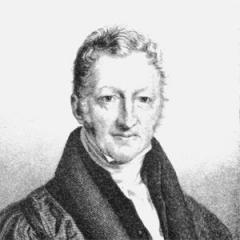
Filter quotes by topic
Famous Thomas Malthus Quotes
Source: Population: The First Essay
Source: An Essay on the Principle of Population: Illustrated
“The histories of mankind are histories only of the higher classes.”
Source: An Essay on the Principle of Population: Illustrated
Source: Population: The First Essay
“To prevent the recurrence of misery is, alas! beyond the power of man.”
Source: An Essay on the Principle of Population: Illustrated
Source: An Essay on the Principle of Population: Illustrated
Source: An Essay on the Principle of Population: Illustrated
Source: An Essay on the Principle of Population: Illustrated
Source: Population: The First Essay
Source: An Essay on the Principle of Population: Illustrated
Source: An Essay on the Principle of Population and Other Writings
Source: Principles of political economy considered with a view to their practical application
Source: Principles of Political Economy: Considered with a View to Their Practical Application
Source: Principles of political economy considered with a view to their practical application
Source: Principles of Political Economy: Considered with a View to Their Practical Application
“It is not the most pleasant employment to spend eight hours a day in a counting house.”
Source: Principles of Political Economy: Considered with a View to Their Practical Application
Source: Population: The First Essay
Source: An Essay on the Principle of Population: Illustrated
Source: An Essay on the Principle of Population: Illustrated
Source: An Essay on the Principle of Population: Illustrated
“Man cannot live in the midst of plenty.”
Source: An Essay on the Principle of Population: Illustrated
“Evil exists in the world not to create despair but activity.”
Source: An Essay on the Principle of Population: Illustrated
Source: An Essay on the Principle of Population and Other Writings
“To minds of a certain cast there is nothing so captivating as simplification and generalization.”
Source: An Essay on the Principle of Population and Other Writings
Source: An Essay on the Principle of Population, Or, a View of Its Past and Present Effects on Human Happiness: With an Inquiry Into Our Prospects Respecting the Future Removal Or Mitigation of the Evils which it Occasions
Source: An Essay on the Principle of Population, Or, a View of Its Past and Present Effects on Human Happiness: With an Inquiry Into Our Prospects Respecting the Future Removal Or Mitigation of the Evils which it Occasions
Source: An Essay on the Principle of Population and Other Writings
Source: The Works of Thomas Robert Malthus: Principles of political economy. Part 2
Source: An Essay on the Principle of Population, Or, a View of Its Past and Present Effects on Human Happiness: With an Inquiry Into Our Prospects Respecting the Future Removal Or Mitigation of the Evils which it Occasions
Source: An Essay on the Principle of Population: Illustrated
“A feather will weigh down a scale when there is nothing in the opposite one.”
Source: Principles of political economy considered with a view to their practical application
Source: An Essay on the Principle of Population
Source: An Essay on the Principle of Population
Source: An Essay on the Principle of Population: Illustrated