Quotessence
Home / Authors / Marguerite Yourcenar Books
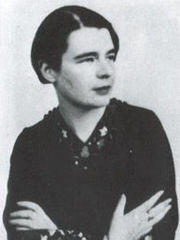
Marguerite Yourcenar

Marguerite Yourcenar Books

Novelist

Hadrian's Memoirs

A source page for quotes linked to Marguerite Yourcenar.
0 quotes

L'Œuvre au noir

A source page for quotes linked to Marguerite Yourcenar.

0 quotes

Fires

A source page for quotes linked to Marguerite Yourcenar.

0 quotes

Coup de Grâce

A source page for quotes linked to Marguerite Yourcenar.

0 quotes

The Abyss

A source page for quotes linked to Marguerite Yourcenar.

0 quotes

Related Quotes

“But other hordes would come, and other false prophets. Our feeble efforts to ameliorate man’s lot would be but vaguely continued by our successors; the seeds of error and of ruin contained even in what is good would, on the contrary, increase to monstrous proportions in the course of centuries. A world wearied of us would seek other masters; what had seemed to us wise would be pointless for them, what we had found beautiful they would abominate. Like the initiate to Mithraism the human race has need, perhaps, of a periodical bloodbath and descent into the grave. I could see the return of barbaric codes, of implacable gods, of unquestioned despotism of savage chieftains, a world broken up into enemy states and eternally prey to insecurity. Other sentinels menaced by arrows would patrol the walls of future cities; the stupid, cruel, and obscene game would go on, and the human species in growing older would doubtless add new refinements of horror. Our epoch, the faults and limitations of which I knew better than anyone else would perhaps be considered one day, by contrast, as one of the golden ages of man.”

“My ideal was contained within the word beauty, so difficult to define despite all the evidence of our senses. I felt responsible for sustaining and increasing the beauty of the world. I wanted the cities to be splendid, spacious and airy, their streets sprayed with clean water, their inhabitants all human beings whose bodies were neither degraded by marks of misery and servitude nor bloated by vulgar riches; I desired that the schoolboys should recite correctly some useful lessons; that the women presiding in their households should move with maternal dignity, expressing both vigor and calm; that the gymnasiums should be used by youths not unversed in arts and in sports; that the orchards should bear the finest fruits and the fields the richest harvests. I desired that the might and majesty of the Roman Peace should extend to all, insensibly present like the music of the revolving skies; that the most humble traveller might wander from one country, or one continent, to another without vexatious formalities, and without danger, assured everywhere of a minimum of legal protection and culture; that our soldiers should continue their eternal pyrrhic dance on the frontiers; that everything should go smoothly, whether workshops or temples; that the sea should be furrowed by brave ships, and the roads resounding to frequent carriages; that, in a world well ordered, the philosophers should have their place, and the dancers also. This ideal, modest on the whole, would be often enough approached if men would devote to it one part of the energy which they expend on stupid or cruel activities; great good fortune has allowed me a partial realization of my aims during the last quarter of a century. Arrian of Nicomedia, one of the best minds of our time, likes to recall to me the beautiful lines of ancient Terpander, defining in three words the Spartan ideal (that perfect mode of life to which Lacedaemon aspired without ever attaining it): Strength, Justice, the Muses. Strength was the basis, discipline without which there is no beauty, and firmness without which there is no justice. Justice was the balance of the parts, that whole so harmoniously composed which no excess should be permitted to endanger. Strength and justice together were but one instrument, well tuned, in the hands of the Muses. All forms of dire poverty and brutality were things to forbid as insults to the fair body of mankind, every injustice a false note to avoid in the harmony of the spheres.”

“Sentivo sempre più il bisogno di raccogliere e conservare antichi volumi, e d’incaricare scrivani coscienziosi di trarne nuove copie. Nobile compito; non meno urgente - pensavo - dell’aiuto ai veterani o dei sussidi alle famiglie prolifiche e disagiate; qualche guerra, dicevo a me stesso, la miseria che la segue, un periodo di volgarità e d’incultura sotto un cattivo principe basterebbero a far perire per sempre i pensieri pervenuti fino a noi mediante quei fragili oggetti di pergamena e d’inchiostro. Ogni uomo così fortunato da beneficiare, più o meno, di quei legati di cultura, mi sembrava responsabile verso tutto il genere umano.”

“Avevo sentito parlare delle iridescenze stupende dell'aurora sul Mare Jonio, quando la si contempla dalla vetta dell'Etna. Stabilii di intraprendere l'ascensione di quella montagna; passammo dalla regione delle vigne a quella della lava, poi della neve. Il fanciullo dalle gambe di danzatore correva su quelle ripide chine; i sapienti che mi accompagnavano salirono a dorso di muli. Sulla cima, era stato costruito un rifugio ove poter attendere l'alba. Questa alfine spuntò: un'immensa sciarpa d'Iride si distese da un orizzonte all'altro; strani fuochi brillarono sui ghiacci della vetta; la vastità terrestre e marina si dischiuse al nostro sguardo sino all'Africa, visibile, e alla Grecia che s'indovinava. Fu uno dei momenti supremi della mia vita.”

“Che cos'è l'insonnia se non la maniaca ostinazione della nostra mente a fabbricare pensieri, ragionamenti, sillogismi e definizioni tutte sue, il suo rifiuto di abdicare di fronte alla divina incoscienza degli occhi chiusi o alla saggia follia dei sogni? L'uomo che non dorme - da qualche mese a questa parte ho fin troppe occasioni di constatarlo su me stesso - si rifiuta più o meno consapevolmente di affidarsi al flusso delle cose.”

“Apenas llegado a Sharax, el fatigado emperador había ido a sentarse a la orilla del mar, frente a las densas aguas del Golfo Pérsico. En aquel momento no dudaba todavía de la victoria, pero por primera vez lo abrumaba la inmensidad del mundo, la conciencia de su edad y de los límites que nos encierran. Gruesas lágrimas rodaron por las arrugadas mejillas del hombre a quien se creía incapaz de llorar. El jefe que había llevado las águilas romanas a riberas hasta entonces inexploradas, comprendió que no se embarcaría jamás en aquel mar tan soñado; la India, la Bactriana, todo ese Oriente tenebroso del que se había embriagado a distancia, se reducirían para él a unos nombres y a unos ensueños. A la mañana siguiente, las malas noticias lo forzaron a retroceder. Cada vez que el destino me ha dicho no, he recordado aquellas lágrimas derramadas una noche en lejanas playas por un anciano que quizá miraba por primera vez su vida cara a cara.”

“Sé que no sé lo que no sé; envidio a aquellos que sabrán más que yo, pero también sé que tendrán que medir, pesar, deducir y desconfiar de sus deducciones exactamente igual que yo, y ver en lo falso parte de lo verdadero, y tener en cuenta en lo verdadero la eterna mixtión de lo falso. Jamás me agarré a una idea por temor al desamparo en que caería sin ella. Nunca aliñé un hecho verdadero con la salsa de la mentira, para hacerme su digestión más fácil. He soñado mis sueños; no pretendo que sean más que sueños. Me guardé muy bien de hacer de la verdad un ídolo, prefiriendo dejarle su nombre más humilde de exactitud. Mis triunfos y mis riesgos no son los que se cree; existen glorias distintas de la gloria y hogueras distintas de la hoguera. He llegado casi a desconfiar de las palabras. Moriré un poco menos necio de lo que nací.”

“Il racconto è scritto in prima persona e messo in bocca al personaggio principale, procedimento per il quale io ho una certa predilezione perché elimina dal libro il punto di vista dell'autore, o almeno i suoi commenti, e perché permette di mostrare un essere umano che fronteggia la sua stessa vita e si sforza più o meno onestamente di spiegarla e innanzitutto di ricordarsela.”