“This may be said for the last quarter of the twentieth century: the truism that if we want a better world we will have to be better people came to be acknowledge, if not thoroughly understood, by a significantly large minority.”
Quote by Tom Robbins
Work
Still Life with Woodpecker
In this introspective novel, the protagonist, George, grapples with his own mortality and the complexities of human relationships. The narrative is woven around the artist's experiences, reflecting on his past and present, as well as the nature of existence and the fleeting nature of life. more
Author
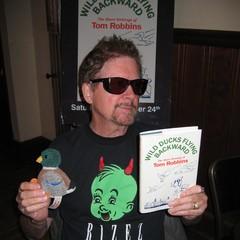
Tom Robbins
Tom Robbins (born July 22, 1936) is an acclaimed American novelist known for his whimsical, philosophical, and often surreal storytelling. His works blend pop culture, Eastern spirituality, and countercultural themes, with notable titles including 'Another Roadside Attraction' and 'Even Cowgirls Get the Blues'. Born in North Carolina, Robbins worked as a journalist and art critic before turning to fiction. His novels are celebrated for their linguistic playfulness, eccentric characters, and profound meditations on love, freedom, and the human condition. Though not a recipient of major literary prizes, he has cultivated a devoted global readership and influenced generations of writers. He remains a distinctive voice in contemporary American literature. more
You May Also Like
“The only 'good' learning is that which is in advance of development.”
“I don't believe in an afterlife, but I'm taking an extra pair of underwear just in case.”
“I never forget a face, but in your case I'll make an exception.”
“You can stump any stoner with one question: What were we just talking about?”