Source: Middle of the Road Policy Leads to Socialism
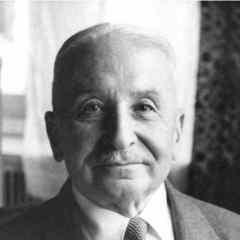
Filter quotes by topic
Famous Ludwig von Mises Quotes
Source: Bureaucracy
Source: Planning for freedom, and sixteen other essays and addresses
Source: Planning for freedom, and twelve other essays and addresses
Source: Bureaucracy: The Economist
Source: Human action: a treatise on economics
“Under capitalism everybody provides for their own needs by serving others.”
Source: Human action: a treatise on economics
Source: Planning for freedom, and twelve other essays and addresses
Source: Planning for freedom, and sixteen other essays and addresses
Source: Socialism - An Economic and Sociological Analysis: The Economist
Source: Socialism - An Economic and Sociological Analysis: The Economist
Source: Economic freedom and interventionism: an anthology of articles and essays
Source: Omnipotent Government: The Rise of the Total State and Total War
“The market system makes all producers responsible to the consumer.”
Source: Human Action
“Every step toward the elimination of profit is progress on the way toward social disintegration.”
Source: Planning for freedom, and twelve other essays and addresses
Source: Economic Policy: Thoughts for Today and Tomorrow
Source: Human Action
Source: Socialism - An Economic and Sociological Analysis: The Economist
Source: Human Action
Source: Economic Policy: Thoughts for Today and Tomorrow
Source: Bureaucracy: The Economist
“In public administration there is no connection between revenue and expenditure.”
Source: Bureaucracy: The Economist
Source: Human action: a treatise on economics
Source: Socialism - An Economic and Sociological Analysis: The Economist
Source: Bureaucracy
Source: Planned Chaos
“Almost all the fathers of socialism were members of the upper middle class or of the professions.”
Source: Omnipotent Government: The Rise of the Total State and Total War
Source: Liberalism: The Classical Tradition: The Economist
Source: Planning for freedom, and twelve other essays and addresses
Source: Planning for freedom, and sixteen other essays and addresses
“The inequality of income and fortunes is essential in capitalism.”
Source: Planning for freedom, and twelve other essays and addresses
Source: Planning for freedom, and twelve other essays and addresses
Source: Planning for freedom, and sixteen other essays and addresses
“The market and its inescapable law are supreme.”
Source: Planned Chaos
Source: Planning for Freedom: Let the Market System Work : a Collection of Essays and Addresses
Source: Planning for freedom, and sixteen other essays and addresses
Source: Planning for freedom, and sixteen other essays and addresses
Source: Human action: a treatise on economics
Source: The Theory of Money and Credit