Quotessence
Home / Authors / Marshall B. Rosenberg
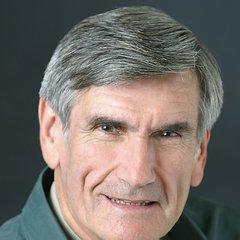
Marshall B. Rosenberg

Marshall B. Rosenberg Quotes

Psychologist

Filter quotes by topic

Famous Marshall B. Rosenberg Quotes

“NVC is language, thoughts, communication skills and means of influence that serve my desire to do three things: 1) to liberate myself from cultural learning that is in conflict with how I want to live my life. 2) to empower myself to connect with myself and others in a way that makes compassionate giving natural. 3) to empower myself to create structures that support compassionate giving.”

“Natural Giving: Anything we do in life which is not out of that energy, we pay for and everybody else pays for. Anything we do to avoid punishment, everybody pays for. Everything we do for a reward, everybody pays for. Everything we do to make people like us, everybody pays for. Everything we do out of guilt, shame, duty, or obligation, everybody pays for.”

“We never really know what we want until after we get it. If after we get it, it makes life more miserable, we know that isn't what we wanted. If it makes our life wonderful, we know this is a strategy which will meet out need. That's why Paul Tillich, the theologian says we need to sin courageously. You ask for what you want, hoping to meet your needs. If you get it and it makes life worse, you learn that this isn't what I want.”

“Two questions help us see why we are unlikely to get what we want by using punishment... The first question is: What do I want this person to do that's different from what he or she is currently doing? If we ask only this first question, punishment may seem effective because the threat or exercise of punitive force may well influence the person's behavior. However, with the second question, it becomes evident that punishment isn't likely to work: What do I want this person's reasons to be for doing what I'm asking?”

“We only feel dehumanized when we get trapped in the derogatory images of other people or thoughts of wrongness about ourselves. As author and mythologist Joseph Campbell suggested, "'What will they think of me?' must be put aside for bliss." We begin to feel this bliss when messages previously experienced as critical or blaming begin to be seen for the gifts they are: opportunities to give to people who are in pain.”

“Peace requires something far more difficult than revenge or merely turning the other cheek; it requires empathizing with the fears and unmet needs that provide the impetus for people to attack each other. Being aware of these feelings and needs, people lose their desire to attack back because they can see the human ignorance leading to these attacks; instead, their goal becomes providing the empathic connection and education that will enable them to transcend their violence and engage in cooperative relationships.”