Quotessence
Home / Authors / Bill Bryson Books
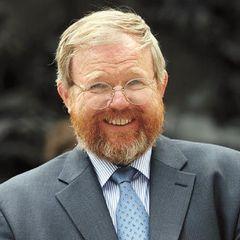
Bill Bryson

Bill Bryson Books

Author

Down Under

A source page for quotes linked to Bill Bryson.
0 quotes

Related Quotes

“Фізики зазвичай не надто уважні до заяв якихось там службовців швейцарського патентного бюро, тому, незважаючи на велику кількість корисної інформації, що містилася в них, статті Айнштайна майже нікого не зацікавили. Щойно розгадавши декілька найбільших загадок Всесвіту, Айнштайн спробував влаштуватися лектором в університет, але його кандидатуру відхилили, згодом хотів влаштуватися вчителем у середню школу, але й тут йому відмовили. Тож Айнштайн повернувся на свою посаду технічного експерта третього класу – але, звісно ж, не припинив думати.”

“زندگی سخت بود. در سراسر قرون وسطی قسمت قابل توجهی از هر زندگی صرف تلاش برای زنده ماندن می شد. وقتی در سالی محصول کم بود، همچنان که به طور متوسط یک سال در هر چهارسال چنین بود، گرسنگی در پیش بود. وقتی در سالی محصول کافی برداشت نمی شد، گرسنگی قطعی حتمی بود.”

“America's industrial success produced a roll call of financial magnificence: Rockefellers, Morgans, Astors, Mellons, Fricks, Carnegies, Goulds, du Ponts, Belmonts, Harrimans, Huntingtons, Vanderbilts, and many more based in dynastic wealth of essentially inexhaustible proportions. John D. Rockefeller made $1 billion a year, measured in today's money, and paid no income tax. No one did, for income tax did not yet exist in America. Congress tried to introduce an income tax of 2 percent on earnings of $4,000 in 1894, but the Supreme Court ruled it unconstitutional. Income tax wouldn't become a regular part of American Life until 1914. People would never be this rich again. Spending all this wealth became for many a more or less full-time occupation. A kind of desperate, vulgar edge became attached to almost everything they did. At one New York dinner party, guests found the table heaped with sand and at each place a little gold spade; upon a signal, they were invited to dig in and search for diamonds and other costly glitter buried within. At another party - possibly the most preposterous ever staged - several dozen horses with padded hooves were led into the ballroom of Sherry's, a vast and esteemed eating establishment, and tethered around the tables so that the guests, dressed as cowboys and cowgirls, could enjoy the novel and sublimely pointless pleasure of dining in a New York ballroom on horseback.”

“مردم بومی از همان ابتدا به ارزش فلفل آگاه بودند اما این رومیان بودند که آن را به کالایی بین المللی تبدیل کردند. رومی ها عاشق فلفل بودند به طوری که حتی دسرهای خود را هم با فلفل می خوردند و این باعث گرانی همیشگی آن بود. تجار ادویه از شرق دور نمی توانستند بختی را که به آنان رو آورده بود باور کنند به طوری که یک تاجر تامیل با شگفتی می گفت: آنان با طلا می آیند و با فلفل می‌روند. وقتی گوت ها در در سال ۴۰۸ تهدید کردند روم را غارت کنند رومیان از جمله باج هایی که به آنان دادند هزار و سیصد و پنجاه کیلوگرم فلفل بود.”

“رنگ ها نیز به حد شگفت آوری خطرناک بودند چون در ساخت آنها از سرب، آرسنیک و نوعی جیوه استفاده می شد. رنگ کاران ساختمان عموما دچار یک بیماری ناشناخته به نام قولنج نقاشان بودند که ناشی از مسمومیت سرب بود و عوارضی مانند رعشه، سرفه های شدید، خستگی و کوفتگی، افسردگی شدید، بی اشتهایی، توهم، و نابینایی داشت. یکی از علائم مسمویت از سرب این است که باعث بزرگ شدن بیش از حد شبکیه چشم قربانیان و دیدن هاله ای به وسیله ی آنان در اطراف اشیا می شود، عارضه ای که وینسنت وان گوگ از آن در نقاشی های خود استفاده کرده است. احتمالا خود اون از مسمویت سرب رنج می برد. اغلب هنرمندان مسموم می شدند. یکی از کسانی که دچار مسمویت سرب شده بود جیمز مک نیل ویستلر بود که از مقدار زیادی سرب برای خلق یک تابلوی نقاشی به اندازه ی واقعی به نام دختر سفید استفاده کرد.”

“خانه ها مخزن های پیچیده ی حیرت آوری هستند. آنچه پی بردم، در نهایت شگفتی من، این است هر چه در جهان رخ می دهد، هر چه کشف یا ساخته می شود، در نهایت به شکلی به خانه های ما راه می یابد. جنگ ها، قحطی ها، انقلاب صنعتی، عصر روشنگری، همه ی آن ها در کاناپه ها و قفسه های شما، در چین های پرده ها، در نرمی کرک های بالش شما، در رنگ های دیوارها و در آب لوله های خانه های شما وجود دارند. به این دلیل تاریخ زندگی خانواده آن طور که من کمابیش تصور کرده بودم، فقط تاریخ تخت خواب ها و کاناپه ها و اجاق های آشپزخانه نیست؛ بلکه تاریخ اسکوبرت و کود مرغ دریایی و برج ایفل و ساس و دزدیدن جسد و درباره ی هر چیز دیگری است که تاکنون رخ داده است. خانه مکانی برای فرار از تاریخ نیست؛ بلکه جایی است که تاریخ به آن جا منتهی می شود.”

“Take a moment from time to time to remember that you are alive. I know this sounds a trifle obvious, but it is amazing how little time we take to remark upon this singular and gratifying fact. By most astounding stroke of luck and infinitesimal portion of all the matter in the universe came together to create you and for the tiniest moment in the great span of eternity you have the incomparable privilege to exist. For endless eons there was no you. Before you know it, you will cease to be again. And in between you have this wonderful opportunity to see and feel and think and do. Whatever else you do with your life, nothing will remotely compare with the incredible accomplishment of having managed to get yourself born. Congratulations. Well done. You really are special.”

“Whatever happens in the world - whatever is discovered or created or bitterly fought over - eventually ends up, in one way or another, in your house. Wars, famine, the Industrial Revolution, the Enlightenment - they are all there in your sofas and chests of drawers, tucked into the folds of your curtains, in the downy softness of your pillows, in the paint on your walls and the water in your pipes. So the history of household life isn't just a history of beds and sofas and kitchen stoves ... but of scurvy and guano and the Eiffel Tower and bedbugs and body-snatching and just about everything else that has ever happened. Houses aren't refuges from history. They are where history ends up.”

“People don't talk like this, theytalklikethis. Syllables, words, sentences run together like a watercolor left in the rain. To understand what anyone is saying to us we must separate these noises into words and the words into sentences so that we might in our turn issue a stream of mixed sounds in response. If what we say is suitably apt and amusing, the listener will show his delight by emitting a series of uncontrolled high-pitched noises, accompanied by sharp intakes of breath of the sort normally associated with a seizure or heart failure. And by these means we converse. Talking, when you think about it, is a very strange business indeed.”

“In America, alas, beauty has become something you drive to, and nature an either/or proposition--either you ruthlessly subjugate it, as at Tocks Dam and a million other places, or you deify it, treat it as something holy and remote, a thing apart, as along the Appalachian Trail. Seldom would it occur to anyone on either side that people and nature could coexist to their mutual benefit--that, say, a more graceful bridge across the Delaware River might actually set off the grandeur around it, or that the AT might be more interesting and rewarding if it wasn't all wilderness, if from time to time it purposely took you past grazing cows and till fields.”

“It wasn't until we dropped him at his university dormitory and left him there looking touchingly lost and bewildered amid an assortment of cardboard boxes and suitcases in a spartan room not unlike a prison cell that it really hit home that he was vanishing out of our lives and into his own.”

“One consequential change is that people used to get most of their calories at breakfast and midday, with only the evening top-up at suppertime. Now those intakes are almost exactly reversed. Most of us consume the bulk--a sadly appropriate word here--of our calories in the evening and take them to bed with us, a practice that doesn't do any good at all.”

“By the 1920s if you wanted to work behind a lunch counter you needed to know that 'Noah's boy' was a slice of ham (since Ham was one of Noah’s sons) and that 'burn one' or 'grease spot' designated a hamburger. 'He'll take a chance' or 'clean the kitchen' meant an order of hash, 'Adam and Eve on a raft' was two poached eggs on toast, 'cats' eyes' was tapioca pudding, 'bird seed' was cereal, 'whistleberries' were baked beans, and 'dough well done with cow to cover' was the somewhat labored way of calling for an order of toast and butter. Food that had been waiting too long was said to be 'growing a beard'. Many of these shorthand terms have since entered the mainstream, notably BLT for a bacon, lettuce, and tomato sandwich, 'over easy' and 'sunny side up' in respect of eggs, and 'hold' as in 'hold the mayo'.”

“مردم بومی از همان ابتدا به ارزش فلفل آگاه بودند اما این رومیان بودند که آن را به کالایی بین المللی تبدیل کردند. رومی ها عاشق فلفل بودند به طوری که حتی دسرهای خود را هم با فلفل می خوردند و این باعث گرانی همیشگی آن بود. تجار ادویه از شرق دور نمی توانستند بختی را که به آنان رو آورده بود باور کنند به طوری که یک تاجر تامیل با شگفتی می گفت: آنان با طلا می آیند و با فلفل می روند.”

“The time the first Europeans arrived in the New World, farmers there were harvesting more than a hundred kinds of edible plants–potatoes, tomatoes, sunflowers, marrows, aubergines, avocados, a whole slew of beans and squashes, sweet potatoes, peanuts, cashews, pineapples, papaya, guava, yams, manioc (or cassava), pumpkins, vanilla, four types of chilli pepper and chocolate, among rather a lot else–not a bad haul. It has been estimated that 60 per cent of all the crops grown in the world today originated in the Americas. These foods weren’t just incorporated into foreign cuisines. They effectively became the foreign cuisines. Imagine Italian food without tomatoes, Greek food without aubergines, Thai and Indonesian foods without peanut sauce, curries without chillies, hamburgers without French fries or ketchup, African food without cassava. There was scarcely a dinner table in the world in any land to east or west that wasn’t drastically improved by the foods of the Americas.”

“شواهد باستانشناسی نشان می دهد از وقتی بشر در جوامع کشاورزی مستقر شد کم کم با عوارض کمبود نمک مواجه گردید.چیزی که قبلا تجربه نکرده بود و به این دلیل باید دست به تلاش ویژه ای برای دستیابی به آن و افزودن به غذای خود زده باشد. یکی از اسرار تاریخ این است که نیاکان ما از کجا فهمیدند به نمک نیاز دارند چون کمبود نمک در مواد غذاییهیچ اشتیاق و عطشی به وجود نمی آورد. بدون کلرید در نمک، سلول ها مثل یک موتور بدون سوخت از کار می مانند، حال آدم خراب می شود و درنهایت می میرد اما هیچ آدمی هرگز به این نتیجه نمی رسید که اگر نمک می خورد حالش خوب می شد.”

“روشنایی گاز خواندن، ورق بازی کردن، و حتی صحبت کردن را نیز دلپذیرتر کرد. شب ها هنگام غذا خوردن می شد غذا را دید. می شد تیغ ماهی را درآورد، می شد دید چقدر نمک یا فلفل از نمکدان و جای فلفل فرو می ریزد. اگر سوزنی یا چیز کوچیک دیگری به زمین می افتاد لازم نبود تا روز بعد منتظر بمانند. عنوان کتاب ها را در قفسه ها می شد دید و‌خواند. مردم بیشتر مطالعه می کردند. تصادفی نیست که تعداد روزنامه ها، مجلات، کتاب ها و صفحات موسیقی و اوراق نت در اواسط قرن نوزدهم به طور ناگهانی افزایش یافت. تعداد روزنامه ها و نشریات ادواری در انگلیس کمتر از صد و‌ پنجاه مورد در ابتدای قرن به تقریبا پنج هزار در پایان قرن رسید.”

“It’s a bit burned,” my mother would say apologetically at every meal, presenting you with a piece of meat that looked like something — a much-loved pet perhaps — salvaged from a tragic house fire. “But I think I scraped off most of the burned part,” she would add, overlooking that this included every bit of it that had once been flesh. Happily, all this suited my father. His palate only responded to two tastes - burned and ice cream — so everything suited him so long as it was sufficiently dark and not too startlingly flavorful. Theirs truly was a marriage made in heaven, for no one could burn food like my mother or eat it like my dad.”

“Is there anything, apart from a really good chocolate cream pie and receiving a large, unexpected cheque in the post, to beat finding yourself at large in a foreign city on a fair spring evening, loafing along unfamiliar streets in the long shadows of a lazy sunset, pausing to gaze in shop windows or at some church or lovely square or tranquil stretch of quayside, hesitating at street corners to decide whether that cheerful and homy restaurant you will remember fondly for years is likely to lie down this street or that one? I just love it. I could spend my life arriving each evening in a new city.”

“مردم در عصر ویکتوریا نه تنها کودکی را ابداع نکردند بلکه آن را از بین بردند. اما در واقع مسئله پیچیده تر از این بود. والدین عصر ویکتوریا با دریغ کردن محبت از کودکان در دوره ی کودکی و بعد با تلاش برای کنترل رفتار آنان حتی تا بزرگسالی، در این موقعیت بسیار عجیب قرار داشتند که در همان شرایطی که می کوشیدند جلوی کودکی را بگیرند تلاش داشتند کاری کنند تا همیشه دوام داشته باشد. شاید تعجب آور نباشد که پایان عصر ویکتوریا تقریبا دقیقا با ابداع روانکاوی همزمان شد.”

“[About Uluru] I'm suggesting nothing here, but I will say that if you were an intergalactic traveler who had broken down in our solar system, the obvious directions to rescuers would be: "Go to the third planet and fly around till you see the big red rock. You can't miss it." If ever on earth they dig up a 150,000-year-old rocket ship from the galaxy Zog, this is where it will be. I'm not saying I expect it to happen; not saying that at all. I'm just observing that if I were looking for an ancient starship this is where I would start digging.”

“…a waitress came out and plonked in front of each of us a small standard terra-cotta flowerpot in which had been baked a little loaf of bread. "What's this?" I asked. "It's bread," she replied. "But it's in a flowerpot?" She gave me a look that I was beginning to think of as the Darwin stare. It was a look that said, "Yeah? So?" "Well, isn't that kind of unusual?" She considered for a moment. "Is a bit, I suppose." "And will we be following a horticultural theme throughout the meal?" Her expression contorted in a deeply pained look, as if she were trying to suck her face into the back of her head. "What?" "Will the main course arrive in a wheelbarrow?" I elaborated helpfully. "Will you be serving the salad with a pitchfork?" "Oh, no. It's just the bread that's special." "I'm so pleased to hear it.”

“Now as I stood on the roof of my house, taking in this unexpected view, it struck me how rather glorious it was that in two thousand years of human activity the only thing that had stirred the notice of the outside world even briefly was the finding of a Roman phallic pendant. The rest was just centuries of people quietly going about their daily business - eating, sleeping, having sex, endeavoring to be amused- and it occurred to me, with the forcefulness of a thought experienced in 360 degrees, that that's really what history mostly is: masses of people doing ordinary things. Even Einstein will have spent large parts of his life thinking about his holidays o new hammock or how dainty was the ankle on the young lady alighting from the tram across the street. These are the sort of things that fill our life and thoughts, and yet we treat them as incidental and hardly worthy of serious consideration. I don't know how many hours of my school years were spent considering the Missouri Compromise or the War of the Roses, but it was vastly more than I was ever encouraged or allowed to give to the history of eating. sleeping, having sex and endeavoring to be amused.”

“It is often said that what sets Shakespeare apart is his ability to illuminate the workings of the soul and so on, and he does that superbly, goodness knows, but what really characterizes his work - every bit of it, in poems and plays and even dedications, throughout every portion of his career - is a positive and palpable appreciation of the transfixing power of language. A Midsummer Night's Dream remains an enchanting work after four hundred years, but few could argue that it cuts to the very heart of human behaviour. What it does is take, and give, a positive satisfaction in the joyous possibilities of verbal expression.”

“Your cells are a country of ten thousand trillion citizens, each devoted in some intensively specific way to your overall well-being. There isn’t a thing they don’t do for you. They let you feel pleasure and form thoughts. They enable you to stand and stretch and caper. When you eat, they extract the nutrients, distribute the energy, and carry off the wastes - all those things you learned about in junior high school biology - but they also remember to make you hungry in the first place and reward you with a feeling of well-being afterward so that you won’t forget to eat again. They keep your hair growing, your ears waxed, your brain quietly purring. They manage every corner of your being. They will jump to your defence the instant you are threatened. They will unhesitatingly die for you - billions of them do so daily. And not once in all your years have you thanked even one of them.”

“your atoms don't actually care about you - indeed, don't even know that you are there. They don't even know that they are there. They are mindless particles, after all and not even themselves alive. (It is a slightly arresting notion that if you were to pick yourself apart with tweezers, one atom at a time, you would produce a mound of fine atomic dust, none of which would have ever been alive but all of which had once been you.)”

“Vienna is certainly the grandest city I have ever seen. All along the Ringstrasse colossal buildings proclaim an imperial past – the parliament, the Palace of Justice, the Natural History Museum, the Kunsthistorisches Museum, the opera house, the Burgtheater and above all the Hofburg, with its 2,600 rooms. They all look much the same – mighty piles of granite and sandstone with warlike statuary crowded along the roofs and pediments. A Martian coming to earth would unhesitatingly land at Vienna, thinking it the capital of the planet.”

“The Y Not had a waitress named Shirley who was the most disagreeable person I have ever met. Whatever you ordered, she would look at you as if you had asked to borrow her car to take her daughter to Tijuana for a filthy weekend. ‘You want what?’ she would say. ‘A pork tenderloin and onion rings,’ you would repeat apologetically. ‘Please, Shirley. If it’s not too much trouble. When you get a minute.’ Shirley would stare at you for up to five minutes, as if memorizing your features for the police report, then scrawl your order on a pad and shout out to the cook in that curious dopey lingo they always used in diners, ‘Two loose stools and a dead dog’s schlong,’ or whatever. In a Hollywood movie Shirley would have been played by Marjorie Main. She would have been gruff and bossy, but you would have seen in an instant that inside her ample bosom there beat a heart of pure gold. If you unexpectedly gave her a birthday present she would blush and say, ‘Aw, ya shouldana oughtana done it, ya big palooka.’ If you gave Shirley a birthday present she would just say, ‘What the fuck's this?' Shirley, alas, didn’t have a heart of gold.”

“The American woods have been unnerving people for 300 years. The inestimably priggish and tiresome Henry David Thoreau thought nature was splendid, splendid indeed, so long as he could stroll to town for cakes and barley wine, but when he experienced real wilderness, on a vist to Katahdin in 1846, he was unnerved to the cored. This wasn't the tame world of overgrown orchards and sun-dappled paths that passed for wilderness in suburban Concord, Massachusetts, but a forbiggind, oppressive, primeval country that was "grim and wild . . .savage and dreary," fit only for "men nearer of kin to the rocks and wild animals than we." The experience left him, in the words of one biographer, "near hysterical.”

“بنابراین در ظاهر، به نظر می رسد مردم عصر ویکتوریا نه تنها کودکی را ابداع نکردند بلکه آن را از بین بردند. اما در واقع مسئله پیچیده تر از این بود. والدین عصر ویکتوریا با دریغ محبت از کودکان در دوره ی کودکی و بعد با تلاش برای کنترل رفتار آنان حتی تا بزرگسالی،در این موقعیت بسیار عجیب قرار داشتند که در همان شرایطی که می کوشیدند جلوی کودکی را بگیرند تلاش داشتند کاری کنند تا همیشه دوام داشته باشد. شاید تعجب آور نباشد که پایان عصر ویکتوریا تقریبا دقیقا با ابداع روانکاوی همزمان شد.”