Quotessence
Home / Authors / Hermann Hesse
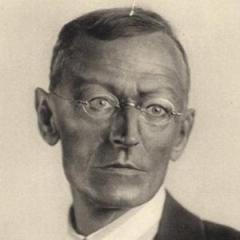
Hermann Hesse

Hermann Hesse Quotes

Poet

Filter quotes by topic

Famous Hermann Hesse Quotes

“Je suis très content de mon bonheur, je puis encore le subir un bon moment. Seulement, quand il me donne une heure de répit pour prendre conscience, pour redevenir nostalgique, alors toute cette nostalgie tend non pas à garder toujours ce bonheur, mais à souffrir encore, en plus grand, en plus beau qu'autrefois. Je me consume du besoin d'une souffrance qui me rende prêt et désireux de mourir.”

“Nos sentimos tentados a creerlos caprichos nuestros, creaciones propias, vemos vacilar y disolverse la frontera entre nosotros y la naturaleza, y adquirimos conciencia de un estado de ánimo en el que no sabemos si las imágenes en nuestra retina provienen de impresiones exteriores o interiores. En ningún otro momento descubrimos con tanta facilidad la medida en que somos creadores, en que nuestra alma participa constantemente en la recreación de la vida. Una misma divinidad invisible actúa en nosotros y en la naturaleza, y si el mundo exterior desapareciera, cualquiera de nosotros sería capaz de reconstruirlo, porque los montes y los ríos, los árboles y las hojas, las raíces y las flores, todo lo creado en la naturaleza, está ya prefigurado en nosotros: proviene del alma, cuya esencia es eterna, y escapa a nuestro conocimiento, pero que se nos hace patente como fuerza amorosa y creadora.”

“Bir süre yaşadığımız her yer, ancak orayla vedalaştıktan epey sonra belleğimizde biçim kazanır ve hiç değişmeyen bir imgeye dönüşür. Orada bulunduğumuz ve her şey gözümüzün önünde olduğu sürece, tesadüfi ya da kalıcı şeylere hemen hemen aynı önemi atfederiz, gereksiz ayrıntılar ancak çok sonra silinir gider. Belleğimizde sadece hatırlamaya değer olanlar kalır; öyle olmasaydı, hayatımızın tek bir yılına bile korkmadan, gözümüz kararmadan bakamazdık!”

“During the dark hours I felt my sick heart expand and beat more furiously, and I no longer made any distinction between pleasure and pain, but one was similar to the other; both hurt and both were precious. Whether my inner life went well or badly, my discovered strength stood peacefully outside looking on and knew that light and dark were closely related and that sorrow and peace were rhythm, part and spirit of the same great music.”

“My lie has been miserable and difficult, and yet to others and sometimes to myself, it has seemed rich and wonderful. Man's life seems to me like a long, weary night that would be intolerable if there were not occasionally flashes of light, the sudden brightness of which is so comforting and wonderful, that the moments of their appearance cancel out and justify the years of darkness.”

“Stages As every flower fades and as all youth Departs, so life at every stage, So every virtue, so our grasp of truth, Blooms in its day and may not last forever. Since life may summon us at every age Be ready, heart, for parting, new endeavor, Be ready bravely and without remorse To find new light that old ties cannot give. In all beginnings dwells a magic force For guarding us and helping us to live. Serenely let us move to distant places And let no sentiments of home detain us. The Cosmic Spirit seeks not to restrain us But lifts us stage by stage to wider spaces. If we accept a home of our own making, Familiar habit makes for indolence. We must prepare for parting and leave-taking Or else remain the slaves of permanence. Even the hour of our death may send Us speeding on to fresh and newer spaces, And life may summon us to newer races. So be it, heart: bid farewell without end.”

“-Nie rozpaczam, Harry. Ale cierpię... o tak, w tym mam doświadczenie. Dziwisz się, że nie jestem szczęśliwa, skoro umiem tańczyć i tak pewnie poruszam się po powierzchni życia. A ja przyjacielu dziwię się, że życie cię tak rozczarowało, skoro jesteś wtajemniczony właśnie w najpiękniejsze i najgłębsze sprawy ducha, sztuki i myśli! Dlatego poczuliśmy pociąg do siebie, dlatego jesteśmy rodzeństwem. Będę cię uczyła tańczyć, bawić się i uśmiechać, a przecież nie odczuwać zadowolenia. Od ciebie zaś nauczę się myśleć, gromadzić wiedzę, a mimo to nie odczuwać zadowolenia. Czy wiesz, że my obydwoje jesteśmy dziećmi diabła?”

“Daha birkaç gün önce, kuvvetli kuzey rüzgârında burada durmuş, soğuktan titreyerek yakamı kaldırmış, kayının haşin rüzgârda istifini hiç bozmamasını ve bir yaprakçığını bile vermemesini hayranlıkla izlemiştim; inatla, cesaretle, sertçe direnmiş, sararmış eski yapraklarına sahip çıkmıştı ağaç. Ve şimdi, bugün, ılık, durgun ateşimin başında durup odun kırarken gördüm:Çok hafif, yumuşak bir esinti çıktı, nefes gibiydi ve onca zaman tutunan o yaprakların yüzlercesi, binlercesi dayanmaktan yorularak,inatlaşmaktan, yiğitlenmekten yorularak sessizce, hafifçe, istekle uçup gitti.Beş altı ay sımsıkı tutunup direnen yapraklar sıradan bir esintiye, hafif bir nefese birkaç dakika içinde yenik düştü, çünkü zamanı gelmişti, çünkü o zorlu direnişe artık gerek kalmamıştı. (...) Hayır, her rüyet gibi (bu da), yüce ve ebedî olanın ifşası, örtüşen tezatların gerçeğin potasında eriyip birleşmesiydi sadece, bir anlam taşımıyordu ama her şey anlamına geliyordu, varlığın sırrıydı ve güzeldi, görebilen için mutluluktu, anlamdı, armağandı ve keşifti (...)”

“Bizler uyanmış ya da uyanmakta olan kişilerdik; çabamız, hep mükemmel bir uyanıklık durumunu ele geçirmeye yönelikti. Oysa başkalarının çaba ve arayışları, kendi görüş ve ideallerini, kendi ödevlerini, kendi yaşamlarını ve mutluluklarını peşine takıldıkları sürününkilere giderek daha sıkı bir şekilde bağlamaya yönelikti. Bu insanlarda da çaba, bu insanlarda da güç ve büyüklük eksik değildi. Kanımızca biz nişanı taşıyanlar doğanın yeniliğe, sürüden ayrılmışlığa ve geleceğe ilişkin istemini oluştururken, başkaları bulundukları yerden ayrılmamakta direten bir istemi canlandırıyordu. Onların da bizim gibi sevdiği insanlık, kendilerine göre gelişimini tamamlamıştı ve bu durumuyla ayakta tutulup korunması gerekiyordu. Oysa bizim için uzak bir gelecekti insanlık, hepimiz bu geleceğe ulaşmak için yola koyulmuştuk; öyle bir gelecek ki, nasıl bir görünüm taşıdığını kimse bilmiyordu, yasaları hiçbir yerde yazılı değildi.”

“En él no corrían el hombre y el lobo paralelamente, y mucho menos se prestaban mutua ayuda, sino que estaban en odio constante y mortal, y cada uno vivía exclusivamente para martirio del otro, y cuando dos son enemigos mortales y están dentro de una misma sangre y de una misma alma, entonces resulta una vida imposible. Pero en fin, cada uno tiene su suerte, y fácil no es ninguna. (...) Nuestro lobo estepario ha descubierto dentro de sí, al menos, la duplicidad fáustica; ha logrado hallar que a la unidad de su cuerpo no le es inherente una unidad espiritual, sino que, en el mejor de los casos, sólo se encuentra en camino, con una larga peregrinación por delante, hacia el ideal de esta armonía. Quisiera o vencer dentro de sí al lobo y vivir enteramente como hombre o, por el contrario, renunciar al hombre y vivir, al menos, como lobo, una vida uniforme, sin desgarramientos. Probablemente no ha observado nunca con atención a un lobo auténtico; hubiese visto entonces quizá que tampoco los animales tienen un alma unitaria, que también en ellos, detrás de la bella y austera forma del cuerpo, viven una multiplicidad de afanes y de estados; que también el lobo tiene abismos en su interior, que también el lobo sufre.”

“Wäre ich auf meine Muskelkraft angewiesen und ein Ringer oder Boxer geworden, so würde kein Mensch von mir verlangen, ich solle Muskelkraft für etwas Untergeordnetes ansehen. Wäre ich stark im Kopfrechnen und wäre Leiter eines großen Bureaus, so würde kein Mensch mir zumuten, die Stärke im Kopfrechnen als eine Minderwertigkeit zu verachten. Vom Dichter aber verlangt die jüngste Zeit, und manche junge Dichter verlangen es selber von sich, daß sie gerade das, was den Dichter ausmacht, die Erregbarkeit der Seele, die Fähigkeit sich zu verlieben, die Fähigkeit zu lieben und zu glühen, sich hinzugeben und in der Welt der Gefühle das Unerhörte und Übernormale zu erleben - daß sie gerade diese Stärke hassen und sich ihrer schämen und sich gegen alles wehren sollen, was "sentimental" heißen könnte. [...] Ich mache nicht mit.”

“Kada mislim na Firencu, kao prvu sliku ne vidim katedralu ili palatu Sinjorije, već jezerce sa zlatnim karašima u Gardino Boboliju, gde sam prvog mog popodneva u Firenci razgovarao sa nekim ženama i njihovom decom, prvi put čuo florentinski jezik i grad koji mi je bio poznat iz mnogih knjiga po prvi put osetio kao nešto stvarno i živo sa čim mogu da pričam i što sam mogao da uhvatim rukama. Katedrala i stara palata i sve što je u Firenci poznato, nije mi zbog toga izmaklo; mislim da sam je bolje doživeo i srdačnije učinio svojom nego mnogi vredni turisti sa rurističkim vodičem u rukama. Sve mi se sigurno i jedinstveno pojavljuje iz veoma malih, sporednih događaja, i ako sam zaboravio nekoliko lepih slika iz Uficija, imam zato sećanja na večeri koje sam proveo ćaskajući sa domaćicom u kuhinji, sa momcima i ljudima u malim vinskim krčmama, sećanja na pričljivog krojača iz predgrađa koji je na svojim kućnim vratima na meni krpio pocepane pantalone, i uz to me počastio vatrenim političkim govorom, operskim melodijama i veselim narodnim pesmicama.”

“Pisac ovih sećanja na putovanje nema sreću da pripada onim ljudima koji su svesni jasnih razloga za sopstvene postupke; on, takođe, nema sreću da povodom sebe ili drugih veruje u takve razloge. Razlozi su, tako mi se čini, uvek nejasni, kauzalnost se ne pronalazi nigde u životu, samo u mišljenju. Savršeno produhovljen čovek, koji je u potpunosti prerastao prirodu, morao bi biti kadar da u svom životu pronalazi stalnu kauzalnost i imao bi pravo da uzroke i podsticaje dostupne njegovoj svesti smatra za jedine, jer on, dabogme, potpuno postoji samo kroz svest. Ipak, takvog čoveka ili takvog jednog Boga nikada nisam sreo, a što se nas ostalih ljudi tiče, dozvoljavam sebi da budem skeptičan prema svim obrazloženjima dela ili događaja. Ne postoje ljudi koji postupaju zbog "razloga", oni to samo umišljaju, a posebno pokušavaju, u interesu taštine i vrline, da ubede druge u to.”

“Acostumbramos a trazar límites demasiado estrechos a nuestra personalidad. Consideramos que solamente pertenece a nuestra persona lo que reconocemos como individual y diferenciador. Pero cada uno está constituido por la totalidad del mundo; y así como llevamos en nuestro cuerpo la trayectoria de la evolución..., así llevamos en el alma todo lo que desde un principio ha vivido en las almas humanas...-¿dónde queda entonces el valor del individuo?-objeté yo-...(Pistorius)...En cada uno existen las posibilidades de ser; pero sólo cuando las vislumbra, cuando aprende a hacerlas conscientes, por lo menos en parte, estas posibilidades le pertenecen.”

“Zugleich dachte ich: so wie ich jetzt mich anziehe und ausgehe, den Professor besuche und mehr oder weniger erlogene Artigkeiten mit ihm austausche, alles ohne es eigentlich zu wollen, so tun und leben und handeln die meisten Menschen Tag für Tag, Stunde um Stunde zwanghaft und ohne es eigentlich zu wollen, machen Besuche, führen Unterhaltungen, sitzen Amts- und Bureaustunden ab, alles zwanghaft, mechanisch, ungewollt, alles könnte ebensogut von Maschinen gemacht werden oder unterbleiben; und diese ewig fortlaufende Mechanik ist es, die sie hindert, gleich mir, Kritik am eigenen Leben zu übenm seine Dummheit und Seichtheit, seine hoffnungslose Trauer und Öde zu erkennen und zu fühlen.”